
Can LED Lights Be Left On 24/7: Myths vs. Facts
- 2024-03-20 03:21
- UNITOP
You left the house in a rush and realized halfway through your commute—the LED lights are still on. Again. Should you turn around? Is your house about to burn down? Will this cost you a fortune?
The internet is full of conflicting advice. Some sources say LED lights are perfectly safe to leave on indefinitely. Others warn about fire risks, shortened lifespans, and skyrocketing electricity bills.
LED lights can technically operate 24/7 without immediate fire risk due to their low heat output, but continuous operation accelerates wear, reduces lifespan by up to 66%, and increases energy costs unnecessarily.
This article separates five major myths from facts using real data, actual cost calculations, and temperature science. Whether you're considering security lighting for a vacation or wondering if your LED strips are safe overnight, you'll get clear answers backed by numbers.
What Does "24/7 Operation" Really Mean for LED Lights?
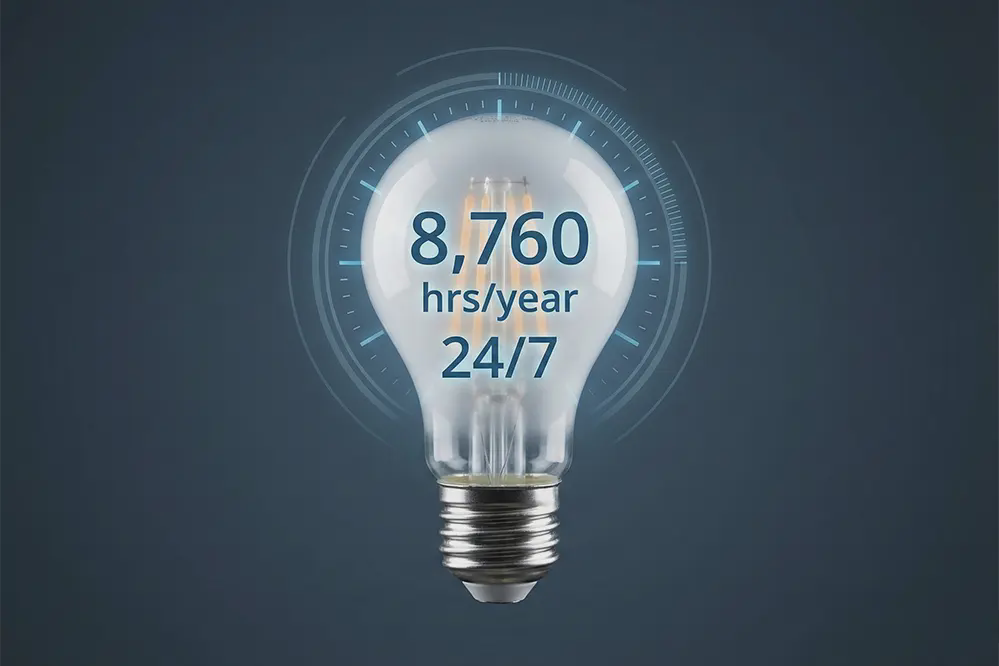
When we talk about leaving LED lights on "24/7," we mean 8,760 hours per year of continuous operation—every hour of every day without a break. This distinction matters because LED lifespan ratings, cost projections, and safety assessments all depend on how many hours the lights actually run.
An LED bulb rated for 50,000 hours sounds impressive, but that's total operating time, not calendar years. Use that bulb 3 hours per day and it lasts 45 years. Run it 24/7 and it lasts 5.7 years. Same bulb, dramatically different lifespan.
LEDs use solid-state technology—semiconductors that emit light when electricity passes through. Unlike incandescent bulbs with heated filaments, LEDs don't have components that burn out, which is why they can theoretically run continuously.
But "can run continuously" doesn't mean "should run continuously." People leave lights on for various reasons: security during vacations, forgetting to turn them off, accessibility needs at night, or 24/7 commercial requirements. Each scenario has different cost-benefit considerations.
Myth #1: LED Lights Will Catch Fire If Left On Too Long
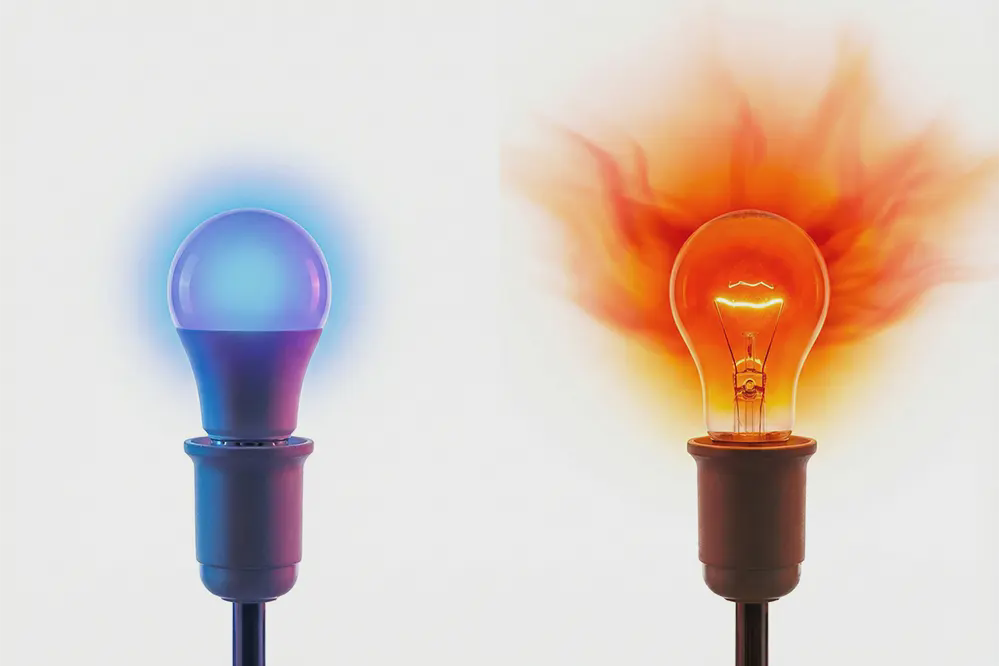
The Myth: LEDs pose significant fire risk when left on continuously, similar to old incandescent bulbs.
The Facts: LED lights operate at temperatures far below what's needed to ignite common household materials.
LED operating temperatures range from 30-50°C at the surface and up to 80°C at the driver. Compare this to ignition thresholds: wood ignites at approximately 300°C, fabrics at 300-500°C, and fiberglass insulation at around 1,000°C. Incandescent bulbs regularly exceed 200°C. An LED produces roughly 90% less heat than an equivalent incandescent bulb.
If you touch an LED bulb that's been on for hours, it'll feel warm. Touch an incandescent that's been on for an hour and you'll burn yourself.
What Actually Causes LED Fires:
When LED fires do occur—which is rare—the culprit isn't the LED itself. Here's what actually goes wrong:
Cheap components without proper heat sinks allow heat to accumulate at the LED junction, degrading materials over time. Budget manufacturers save money by using undersized heat sinks or skipping them entirely. The heat has nowhere to go, temperatures build, and plastic components can eventually melt or catch fire.
Faulty wiring and loose connections create resistance points that generate excessive heat. When electrical current passes through a poor connection, that resistance converts electricity into heat at the connection point rather than at the LED. Over time, these hot spots can ignite surrounding materials or cause wire insulation to fail.
Inadequate ventilation in enclosed fixtures traps whatever heat the LED does produce. Many enclosed fixtures carry warnings about not using certain bulb types, but people often ignore these labels. When an LED is in a completely enclosed glass globe or sealed can light, the air around it can't circulate to carry heat away.
Overloaded circuits with too many devices can cause wiring to overheat before individual devices show problems. If you've got multiple high-draw appliances on the same circuit as your LED lights, the cumulative load can heat up wiring inside walls.
Power supply failures in strip lights create short circuits or excessive current flow. For LED strip lights specifically, the transformer represents the biggest fire risk. These external power supplies can overheat during extended use, especially in cheap products without adequate cooling. The LED strips themselves stay relatively cool, but the transformer doing voltage conversion generates heat that must be dissipated. If you're concerned about LED strip fire safety, read our detailed guide: Can LED Strip Lights Catch Fire?
Quality Certifications Matter:
UL (Underwriters Laboratories) certification means the product passed North American safety testing. IEC (International Electrotechnical Commission) provides international standards. CE marking indicates European compliance.
These certifications cost manufacturers money, which is why certified products cost more. That extra cost represents actual investment in better components, proper heat management, and electrical safety features.
Myth #2: Leaving LED Lights On 24/7 Doesn't Affect Their Lifespan
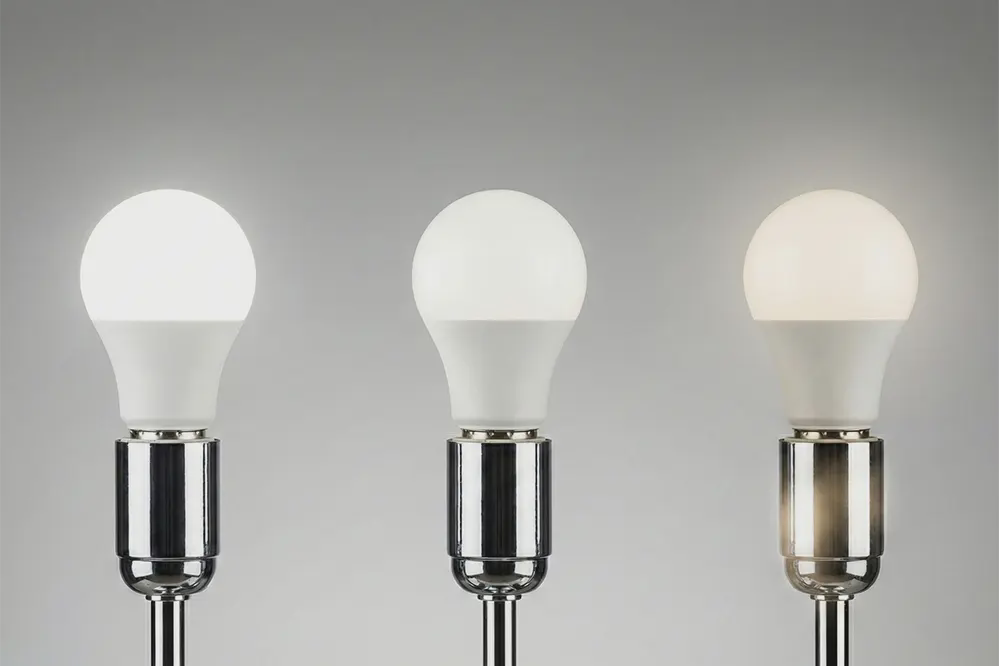
The Myth: "LEDs last 50,000 hours no matter how you use them."
The Facts - The Math:
LED lifespan ratings represent total operating hours, not calendar time. Using a standard 50,000-hour LED bulb:
At 8 hours per day: 50,000 ÷ 8 = 17.1 years
At 16 hours per day: 50,000 ÷ 16 = 8.6 years
At 24 hours per day: 50,000 ÷ 24 = 5.7 years
Continuous 24/7 use reduces calendar lifespan by 66% compared to typical 8-hour daily use. You're going through operating hours three times faster, meaning three times more frequent replacement.
The Science Behind Degradation:
LEDs don't "burn out" like incandescent bulbs. They experience lumen depreciation—gradual dimming over time. The industry standard is L70: LED "failure" occurs when light output drops to 70% of original brightness.
Junction temperature plays a massive role. Every 10°C increase in junction temperature reduces lifespan by approximately 50%. An LED at 65°C might achieve 50,000 hours. At 85°C, you're looking at 25,000 hours.
What causes higher junction temperatures? Inadequate heat sinking, high ambient temperatures, poor ventilation, and continuous operation. The cumulative thermal stress accelerates phosphor degradation and solder joint weakening.
Beyond usage patterns, several factors affect lifespan. Heat management quality determines how effectively the LED dissipates heat. Quality LEDs use aluminum heat sinks, thermal paste, and proper ventilation. Driver component quality affects reliability—poor drivers can fail before the LED itself. Environmental conditions matter: an LED in an air-conditioned office will outlast one in a hot attic. Voltage stability impacts longevity—power surges and electrical noise contribute to premature aging.
The Trade-off:
Quality LEDs will operate for years even under continuous use. But you'll replace them roughly three times more often than if you turned them off when not needed.
Myth #3: LED Lights Use So Little Energy It Doesn't Matter
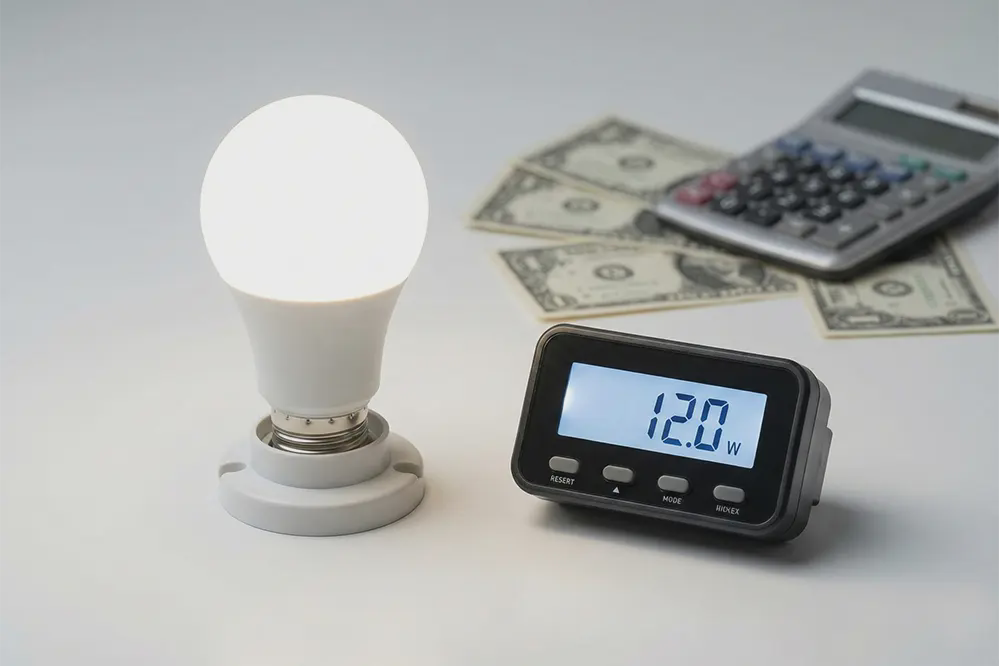
The Myth: "LEDs are so efficient that leaving them on costs practically nothing."
The Facts - Real Cost Calculations:
Let's use a 1,400-lumen LED bulb (replaces 100W incandescent). This LED draws approximately 12 watts at $0.13 per kWh (US average):
8 Hours Per Day:
Monthly: 2.88 kWh × $0.13 = $0.37
Yearly: 34.56 kWh = $4.49
24/7 Continuous:
Monthly: 8.64 kWh × $0.13 = $1.12
Yearly: 103.68 kWh = $13.48
Running one LED 24/7 costs three times more—$9 per year per bulb.
Per-Household Impact:
The average US household has 45 light bulbs. If you left even half of those on 24/7—perhaps you're not actually leaving all of them on, but between forgetting lights in different rooms and intentionally leaving some on for various reasons—that's 22-23 bulbs.
22 bulbs × $13.48 per year = $296.56 annually
That's nearly $300 per year in electricity costs that could be eliminated by simply turning off lights when not needed. Over a decade, that's $3,000. For commercial buildings with hundreds of fixtures, poor lighting management wastes thousands annually. A small retail store with 100 LED bulbs left on 24/7 would spend $1,348 per year just on unnecessary lighting costs.
Beyond direct cost, there's environmental impact. Each kilowatt-hour of electricity requires power generation, which typically involves burning fossil fuels. Unnecessary electricity consumption contributes to carbon emissions and climate change. While one LED bulb left on won't destroy the planet, collective waste from millions of households and businesses adds up significantly. The 103 kWh wasted annually per bulb might not sound like much, but multiply that by millions of homes and you're talking about gigawatt-hours of wasted power generation capacity.
When to Turn Them Off:
If you're leaving a room for 15 minutes or longer, turn the light off. The old advice about surge current doesn't apply to LEDs—there's no penalty for frequent switching.
Myth #4: All LED Products Are Equally Safe for 24/7 Use
The Myth: "Any LED light can be left on continuously without issues."
The Facts - Product-Specific Safety:
LED Bulbs (Safest): Standard LED bulbs are self-contained with integrated heat sinks. Quality brands handle 24/7 operation well in properly ventilated fixtures.
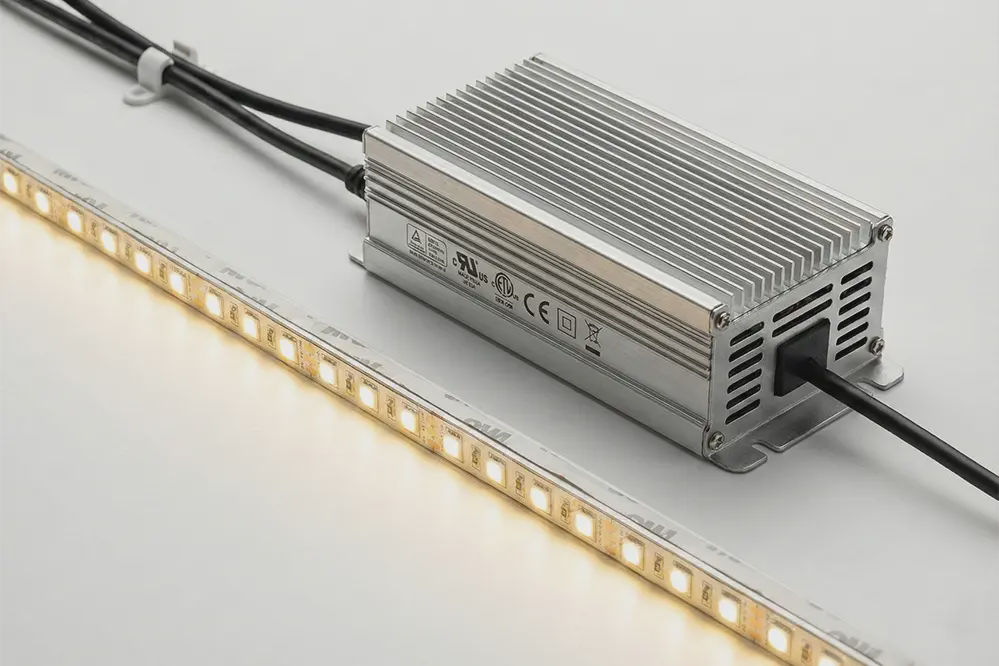
LED Strip Lights (Moderate Risk): LED strip lights present more variables. The strips themselves—the flexible circuit boards with multiple LED chips—generally run cool and can operate continuously. The problem is the external transformer or power supply that converts 120V AC to 12V or 24V DC for the strips.
These transformers generate heat during operation. In cheap LED strip kits, the transformer may lack adequate ventilation, thermal protection, or quality components. After 6-8 hours of continuous operation, cheap transformers can get dangerously hot—too hot to touch comfortably. This represents a real fire risk.
Quality LED strips with properly sized, well-designed power supplies can operate continuously with appropriate ventilation. Professional architectural lighting strips are specifically engineered for 24/7 use in commercial installations. The key is matching strip wattage to power supply capacity with at least 20% headroom. If your strips draw 80 watts total, use a 100-watt power supply minimum.
Watch for warning signs: discoloration of the strip or housing indicates heat damage, hot spots that feel much warmer than surrounding areas, flickering or dimming that wasn't present when new, or a burning plastic smell. Any of these requires immediate attention.
LED Grow Lights: Designed for long operation but not 24/7. Most plants need 6-12 hours of darkness. Use timers for 18/6 or 12/12 light cycles.
LED Christmas Lights: Transformers need cooling breaks. Run them 16-18 hours with a 6-8 hour break using a timer.
Quality Indicators:
Safety certifications (UL, ETL, CE)
Brand reputation
Long warranties (5+ years)
Visible heat sink design
Adequate wire gauge
Red Flags:
No certifications
Extremely cheap pricing
Excessive heat during use
Flickering or dimming
Burning smell (stop immediately)
Myth #5: LED Lights Don't Generate Any Heat
The Myth: "LEDs are completely cool-running and produce no heat."
The Facts: LEDs do generate heat—roughly 20-30% of energy converts to heat while 70-80% becomes light. Incandescent bulbs convert 90% to heat and only 10% to light.
Temperature Realities:
LED chip junction: 65-85°C optimal, 125°C maximum
LED surface: 30-50°C during operation
Driver/base: 60-80°C typical
Incandescent bulbs: 200°C+
Why Heat Management Matters:
Every 10°C increase in junction temperature = 50% lifespan reduction. Heat accelerates phosphor degradation and solder joint weakening.
Quality LEDs manage heat through aluminum heat sinks, thermal paste, ventilated housings, and quality drivers that regulate current precisely.
When Heat Becomes a Problem:
Enclosed fixtures without ventilation
High ambient temperatures (attics, outdoor summer)
Covered by insulation or dust
Cheap LEDs without adequate heat sinks
Heat Check: After an hour of operation, the LED should feel warm but comfortable to hold for 5-10 seconds. If it's too hot to touch, something's wrong. Look for yellowing plastic housing—this indicates overheating.
When It Actually Makes Sense to Leave LED Lights On 24/7
Security Lighting: Leaving lights on during vacations deters break-ins by creating the impression someone's home. However, lights on constantly for days or weeks actually signal "nobody's home" to observant criminals who watch for unchanging patterns. A better solution is smart bulbs programmed with varied schedules—different on/off times each day that mimic natural occupancy patterns. You can program a living room lamp to turn on at 6:30 PM Monday, 6:45 PM Tuesday, 7:00 PM Wednesday, and so on. Bedroom lights can follow different schedules. This creates the unpredictability of actual occupancy.
Alternatively, use simple digital timers that vary lighting in different rooms throughout the evening. Modern timers cost $15-20 and can randomize schedules slightly each day. For outdoor security lights, dusk-to-dawn photocell sensors provide lighting that turns on automatically when needed but stays off during daylight, giving components rest time while maintaining security when it actually matters.
Safety & Accessibility: Some household members genuinely need lighting overnight for safety reasons. Elderly individuals prone to falls benefit from low-level hallway and bathroom nightlights. Children afraid of the dark sleep better with minimal lighting. People with vision impairments or mobility issues need pathway lighting for safe nighttime navigation to avoid tripping hazards.
For these legitimate needs, use low-wattage LEDs (3-5W maximum), warm color temperatures (2700K), and consider amber or red-toned LEDs that don't disrupt sleep as much as blue-white light. Place lights strategically at floor level rather than leaving entire rooms lit. Three small nightlights strategically positioned cost less than $10 per year to run continuously and provide adequate safety lighting.
Commercial Applications: 24/7 businesses like hospitals, convenience stores, parking lots, and emergency exit lighting (legally required).
Smart Automation Solutions:
Smart bulbs with scheduling
Motion sensors for automatic on/off
Photocell sensors (dusk-to-dawn)
Simple timers
Home automation systems
Even "always on" scenarios benefit from automation. A dusk-to-dawn outdoor light runs 12 hours per day, not 24—cutting costs in half while providing full nighttime coverage.
When You Definitely Shouldn't Leave LED Lights On
Bedroom Lights: Blue light suppresses melatonin and disrupts circadian rhythm. If you need a nightlight, use very dim, warm/red tones placed low.
Unused Rooms: Guest rooms, storage areas, garages—pure waste with zero benefit.
Decorative Lighting: Accent lights, display lighting, holiday lights after midnight serve no functional purpose overnight.
During Daytime: Why pay for artificial light when natural light is available?
Low-Quality Products: Cheap strips, uncertified bulbs, or any lights showing warning signs shouldn't run unattended.
Enclosed Fixtures Without Ventilation: Even though LEDs produce less heat, trapped heat accelerates degradation and increases risk.
Best Practices for Extended LED Operation
Pre-Purchase:
Buy quality with certifications (UL, ETL, CE)
Check reviews for longevity and heat issues—look specifically for mentions of "failed after 6 months" or "gets too hot"
Verify wattage/voltage match for your fixtures—using a 100W-equivalent bulb in a 60W-rated fixture creates problems
Choose appropriate IP rating for location: indoor fixtures are typically IP20, outdoor fixtures need IP65 or higher for weather resistance
Longer warranty = manufacturer confidence—a 5-year warranty suggests quality components
Installation:
Ensure proper ventilation—LEDs need air circulation to dissipate heat effectively
Use LED-compatible dimmers if dimming is desired—standard dimmers designed for incandescent bulbs can cause LED flickering, buzzing, or premature failure
Correct wire gauge for power requirements, particularly for LED strip installations—undersized wire creates resistance and voltage drop
Position fixtures away from heat sources like HVAC vents, stovetops, or direct sunlight exposure
For Continuous Operation:
Start with quality products only—this isn't the place to save money with budget alternatives
Install in well-ventilated areas where air can circulate freely
Use appropriate wattage without overdriving fixtures—don't put a 100W-equivalent in a fixture rated for 60W just because it physically fits
Consider smart controls for automatic management even in "continuous" applications
Regular Maintenance:
Dust fixtures monthly (dust traps heat)
Check for discoloration
Test for excessive heat
Look for flickering or dimming
Inspect wiring annually
Warning Signs:
Visible dimming
Flickering or strobing
Buzzing sounds
Too hot to touch
Discoloration
Burning smell (immediate shutdown)
Automation Recommendations:
Motion sensors, smart bulbs, photocell sensors, and timers provide convenience and cost savings. Start with high-use areas like living rooms, outdoor security, and hallways.
FAQ
Can LED Christmas lights stay on 24/7?
Technically yes, but not recommended. Their transformers need cooling time. Best practice: Run 16-18 hours with a 6-8 hour break using a timer. Dusk-to-dawn sensors are ideal for outdoor displays.
Are LED strip lights safe to leave on all night?
High-quality strips with proper power supplies can run overnight safely. Cheap strips from unknown manufacturers are dangerous—they're often under-cooled and poorly wired. Look for UL/ETL certification. If the transformer feels too hot to hold after a few hours, it's not suitable for all-night use.
Can I leave LED grow lights on continuously?
No. While safe from a fire standpoint, most plants require 6-12 hours of darkness for proper growth. Continuous light stresses plants and wastes electricity. Use timers for appropriate cycles: 18/6 for vegetative growth or 12/12 for flowering.
What about LED security lights during a 3-week vacation?
Quality LEDs can safely run for three weeks. Better approach: smart bulbs with varied schedules or timers that mimic occupancy. For outdoor lights, use motion-activated or dusk-to-dawn photocell lights.
Do LED lights need to "rest" or cool down?
No, quality LEDs don't need rest periods. They're designed for continuous operation. However, transformers in some systems (strip lights, low-voltage) benefit from periodic cooling. Lifespan reduction from 24/7 use comes from cumulative thermal stress, not lack of "rest."
Will leaving LEDs on damage my electrical system?
No. LEDs are among the gentlest loads on circuits due to low current draw. A 100W-equivalent LED draws only 12-15W. Normal LED usage poses no risk to home wiring or circuit breakers.
Conclusion
Can LED lights be left on 24/7? Yes, you technically can. Should you? That depends on your specific situation.
From a safety standpoint, quality LED lights from reputable manufacturers can operate continuously without significant fire risk. They run cool enough that household materials won't ignite from their heat. The horror stories about LED fires almost always involve cheap products with poor components, inadequate heat sinks, or faulty wiring—not properly manufactured LEDs from established brands that have undergone UL or ETL safety testing.
But "safe" doesn't mean "smart" or economical. Leaving LED lights on 24/7 comes with real, measurable costs that add up over time. You'll pay three times more in electricity compared to typical 8-hour daily use—that's an extra $9 per bulb per year that could stay in your pocket. Your bulbs will last 66% fewer calendar years because you're burning through their rated operating hours three times faster. This means more frequent replacements, more trips to the store, more packaging waste, and more hassle. You're also consuming energy unnecessarily, contributing to environmental impact when you could simply develop the habit of flipping switches.
The three factors to balance are safety (mostly fine with quality products and proper installation), cost (demonstrably higher with continuous operation), and lifespan (significantly shorter in calendar terms). Your specific situation determines whether 24/7 operation makes sense or represents wasteful spending.
Security lighting during vacations? Use smart bulbs with varied schedules instead of constant illumination to create realistic occupancy patterns. Accessibility lighting for safety at night? A few strategically placed 3-5 watt nightlights cost under $10 per year and serve the purpose without leaving entire rooms lit. Commercial 24/7 operations like hospitals or convenience stores? Invest in quality commercial-grade fixtures and implement proper maintenance schedules. Forgot to turn them off when you left? Don't panic, but do make a mental note to develop better habits.
Smart automation gives you security and convenience benefits without the costs of true 24/7 operation. Motion sensors ensure lights are only on when someone's actually in the room. Timers create predictable schedules that save money while maintaining security. Smart bulbs allow remote control and complex scheduling patterns. Photocell switches turn outdoor lights on at dusk and off at dawn automatically, adjusting with the seasons. These technologies ensure lights are on when needed and off when they're not—the best of both worlds.
Here's what to do next: Audit your current LED usage honestly. Walk through your home and note which lights are on. Which ones are actually necessary right now? Which ones are running just because you forgot about them or didn't bother to turn them off? Where could automation save you money and hassle while maintaining or improving functionality? Create a priority list based on highest usage areas.
Invest in smart controls for lights you want on specific schedules—start with outdoor security lights and high-traffic areas like living rooms and hallways. These are the easiest wins with the fastest payback. Buy certified, quality LEDs (look for UL, ETL, or CE marks) if continuous use is genuinely needed for your situation—don't cheap out on products that will run 24/7.
The best part about LEDs? Even if you forget to turn them off sometimes, it's not a disaster. Your house won't burn down overnight. The bulb will be fine. You've wasted a bit of electricity, but nothing catastrophic has occurred. LEDs are forgiving in a way that older lighting technologies weren't—you could burn yourself on a hot incandescent or start a fire with a halogen too close to curtains, but LEDs provide a huge safety margin. Just don't make forgetting a habit. Your electricity bill and your bulbs' lifespan will thank you for those few seconds it takes to flip the switch. Those small actions compound into meaningful savings over months and years.