
Pros and Cons of LED Lighting: What You Need to Know
- 2024-03-18 17:54
- UNITOP
The lighting industry has undergone a massive shift over the past decade, with LED technology replacing traditional incandescent and fluorescent bulbs in homes, offices, and commercial facilities worldwide. But despite their widespread adoption, many people still wonder whether LEDs are truly the right choice for every situation.
LED (light-emitting diode) lighting is a solid-state technology that produces light through electroluminescence when electrical current passes through semiconductor materials. Unlike incandescent bulbs that generate light by heating a filament, LEDs convert electricity directly into photons with minimal energy waste. To understand exactly how this technology works, check out our other article on what is LED lighting.
In this article, we'll break down the real advantages and disadvantages of LED lighting based on actual performance data and user experiences. Whether you're a homeowner considering a lighting upgrade or a facilities manager planning a commercial retrofit, you'll find the practical information needed to make an informed decision.
The Major Advantages of LED Lighting
Energy Efficiency and Cost Savings
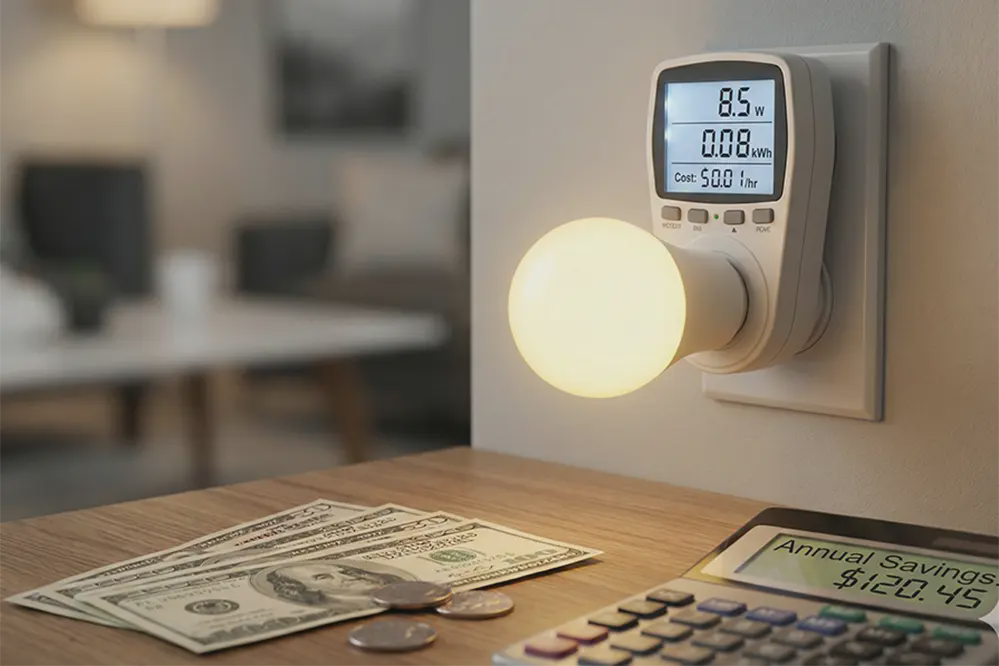
LEDs use 75-90% less energy than incandescent bulbs to produce the same amount of light. This isn't marketing hype—it's measurable physics. A traditional 60-watt incandescent bulb produces about 800 lumens. An LED producing the same 800 lumens uses just 8-10 watts. The reason? LEDs convert 80% of electrical energy into light and only 20% into heat, while incandescent bulbs do the opposite—80% heat, 20% light.
For a typical home with 40 light fixtures operating 5 hours daily at $0.13 per kWh:
Incandescent annual cost: $569
LED annual cost: $95
Annual savings: $474
Over 10 years, that's $4,740 in energy savings alone. Add in replacement costs—you'd buy approximately 180 incandescent bulbs over that period versus keeping the same 40 LED bulbs—and total savings exceed $5,000.
The payback period for residential LED conversions typically runs 6-12 months, after which you're saving money every month for the next 10-15 years. Commercial facilities see even more dramatic results. A 50,000-square-foot office building converting 200 fixtures from fluorescent to LED typically saves $3,000-$5,000 annually on electricity, with payback periods of 2-4 years.
Beyond your electric bill, reduced energy consumption means a smaller carbon footprint. The U.S. Department of Energy estimates that widespread LED adoption could save 569 TWh of electricity annually by 2035—equivalent to the output of more than 92 power plants.
Exceptional Lifespan and Durability
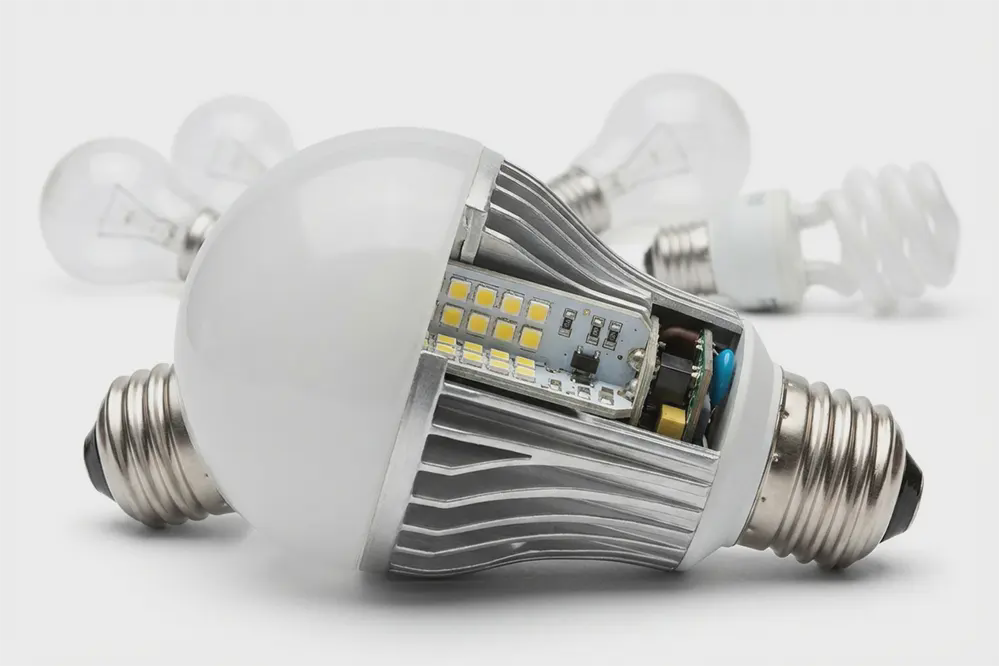
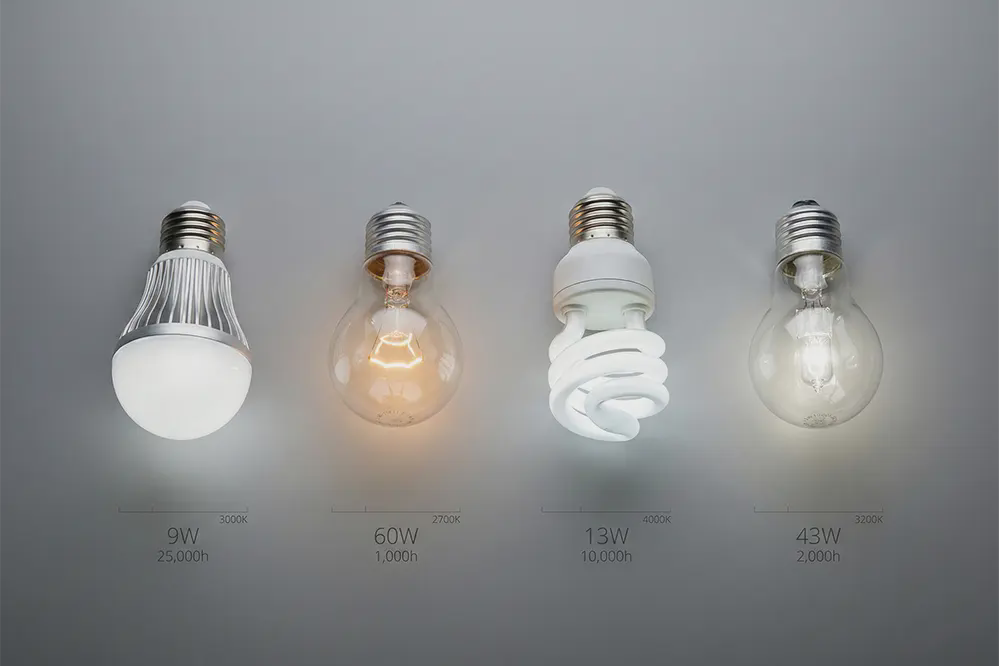
Most quality LED bulbs are rated for 25,000 to 50,000 hours of operation, with some commercial-grade products reaching 100,000 hours. At 5 hours of daily use, a 25,000-hour LED lasts about 14 years. Compare that to an incandescent bulb's 1,000-hour lifespan (less than 7 months) or a CFL's 8,000 hours (about 4 years). For detailed information about factors affecting LED longevity, see our guide on the lifetime of LED lighting.
LEDs are solid-state devices with no filaments to burn out, no gases to leak, and no glass to shatter. They're highly resistant to vibration, impact, and thermal shock. Unlike traditional bulbs that fail suddenly, LEDs gradually dim over their lifetime, giving you time to plan replacements.
Environmental Benefits
LED lighting contains zero mercury and no toxic heavy metals. Fluorescent tubes and CFLs contain 3-5 milligrams of mercury per bulb, creating disposal hazards. LEDs require no special handling and are 95-100% recyclable.
Because LEDs last 25-50 times longer than incandescent bulbs, far fewer units need to be manufactured, packaged, and shipped over time. One LED bulb replaces approximately 25 incandescent bulbs over its lifetime—that's 24 fewer bulbs going to landfills.
Superior Light Quality and Control
LEDs offer instant-on capability with no warm-up period. Flip the switch, and they reach full brightness immediately. The directional nature means light goes where you want it, with less wasted in reflectors or trapped in fixtures.
Color temperature options range from warm 2700K (similar to incandescent) to cool 6500K (daylight). Quality LEDs achieve CRI ratings of 90-95, revealing colors accurately. Smart LEDs enable control via smartphones, voice assistants, or automated schedules—dimming lights from bed, creating lighting scenes, or having lights gradually brighten to wake you naturally.
Design Flexibility and Safety
The compact size of LED chips allows ultra-thin fixtures impossible with traditional bulbs. Flexible LED strips bend around corners, recessed downlights require less than an inch of ceiling depth, and custom configurations create unique lighting effects.
LEDs convert 80% of electrical energy into light and just 20% into heat. They remain cool enough to touch even after hours of operation, eliminating burn risks and fire hazards. The solid-state construction means no fragile glass that shatters when dropped.
The Notable Disadvantages of LED Lighting
High Initial Investment
The most immediate obstacle to LED adoption is cost. Quality LED bulbs typically cost $3-$8 each versus $0.50-$1.00 for incandescent bulbs. LED fixtures run $20-$200 depending on size and features, compared to $10-$50 for traditional fixtures. For someone replacing 40 bulbs in a home, the upfront difference is $100-$320 for bulbs alone.
The cost disparity grows more significant in commercial applications. A commercial office converting 200 fixtures might face $8,000-$15,000 in LED lighting costs versus $2,000-$4,000 for traditional fluorescent fixtures. While the energy savings and reduced maintenance eventually offset these costs, the initial capital requirement can strain budgets—particularly for small businesses, nonprofits, or residential rental properties where landlords pay for fixtures but tenants pay utility bills.
Quality variation complicates buying decisions. The LED market includes everything from premium products engineered to last 50,000 hours to budget imports that fail after 5,000 hours. Buyers without technical knowledge often can't distinguish quality differences by looking at packages. A $3 LED from an unknown brand and a $7 LED from Philips may look similar in packaging, but the performance difference is enormous. Budget LEDs that fail after 2-3 years provide no real savings over their lifetime and create negative impressions of the technology.
The calculation changes for different usage patterns. In high-use commercial settings operating 12-16 hours daily, LEDs pay for themselves in 12-24 months. In low-use residential applications—closets accessed briefly, seasonal outdoor decorations—the payback period extends to 5-10 years or never materializes at all.
Blue Light and Health Concerns
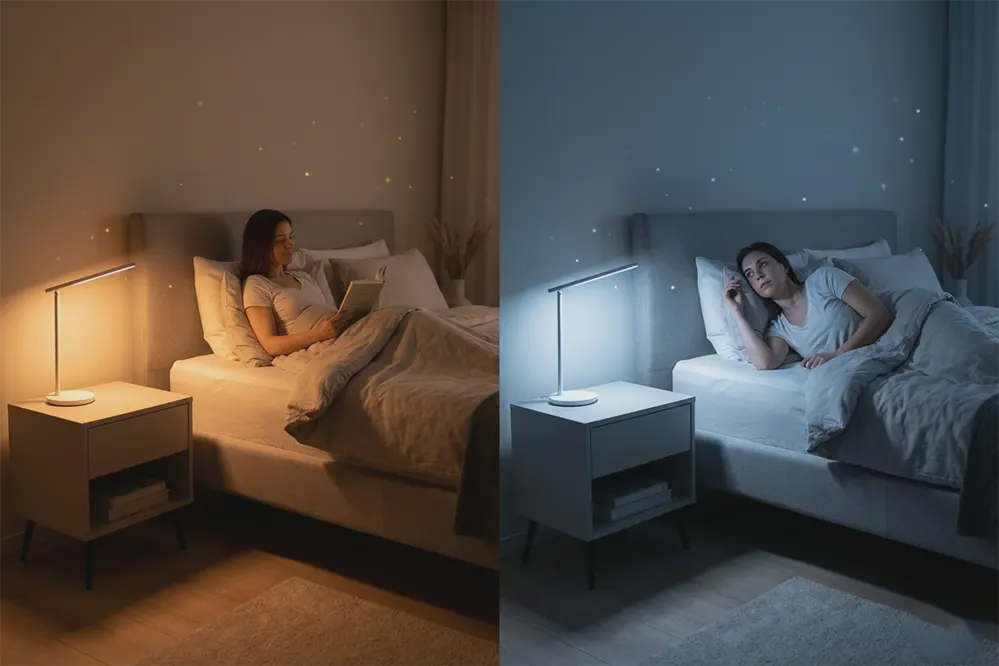
LEDs—particularly those with color temperatures above 4000K—emit significant blue light that suppresses melatonin production. Exposure to blue-rich light in the evening disrupts circadian rhythms, making it harder to fall asleep and reducing sleep quality. Studies show two hours of blue light exposure before bed can suppress melatonin by 22%.
Some research suggests excessive blue light exposure may contribute to digital eye strain and potentially long-term retinal damage, though evidence remains under investigation. The solution is choosing warm LEDs (2700-3000K) for bedrooms and evening-use spaces, which emit significantly less blue light.
Temperature Sensitivity and Heat Management
Despite generating less heat than traditional bulbs, LEDs are surprisingly sensitive to temperature. Operating an LED in a 120°F environment can cut its lifespan in half. Enclosed fixtures trap heat, creating temperatures that shorten LED life unless bulbs are specifically rated for enclosed use.
Proper heat management requires adequate heat sinks. Quality LEDs feature substantial aluminum heat sinks, while budget LEDs skimp on thermal design, leading to overheating and premature failure. Recessed lighting in insulated ceilings creates particular challenges unless properly rated for insulation contact.
Dimmer and Control Compatibility
Most homes have dimmer switches designed for incandescent loads. When you install LED bulbs on old dimmers, problems occur: flickering, buzzing sounds, limited dimming range, or complete failure to dim. The solution requires upgrading to LED-compatible dimmers, adding $15-$50 per switch to conversion costs.
Even with LED-compatible dimmers, not all combinations work perfectly. Specific bulbs may buzz or flicker with specific dimmers due to electronic incompatibilities. This trial-and-error aspect frustrates contractors and homeowners alike.
Color Consistency Challenges
Different LED manufacturers produce noticeably different whites even when labeled the same color temperature. As LEDs age, their color output can shift—particularly in lower-grade products. In spaces with multiple fixtures, this creates increasingly mismatched appearance as bulbs age at different rates.
Budget LEDs frequently exhibit poor Color Rendering Index (CRI), making colors appear flat or distorted. A 70 CRI LED might make reds look orange or greens look yellow. Always check CRI ratings and aim for 90+ in spaces where color accuracy matters.
Integrated LED Limitations
Integrated fixtures with permanently built-in LEDs offer advantages but create a drawback: when LEDs eventually fail, you must replace the entire fixture rather than just changing a bulb. A $150 integrated fixture with failed components after 7 years requires replacing the entire unit or paying $80-$120 for professional repair—if parts are even available.
Common LED Lighting Problems and Solutions
Flickering Issues
Flickering usually stems from incompatible dimmers, voltage fluctuations, or low-quality drivers. When LEDs flicker with a dimmer, replace it with an LED-compatible model. For non-dimmed circuits, check for loose connections at sockets, switches, or circuit breakers. Budget LEDs with cheap drivers may flicker inherently—replace them with quality products specifically marketed as "flicker-free."
Overheating and Premature Failure
When LEDs fail far short of their rated lifespan, heat is usually to blame. Enclosed fixtures trap heat unless LEDs are specifically rated for enclosed use. Recessed cans in insulated ceilings must be IC-rated. Use enclosed-rated LEDs in enclosed fixtures, verify IC ratings, and choose quality LEDs with substantial heat sinks.
Buzzing Sounds and Other Issues
Buzzing occurs when electronic components vibrate at audible frequencies. Dimmer incompatibility causes most buzzing—swap to an LED-compatible dimmer. Ensure bulbs are fully screwed into sockets, as loose installation can cause buzzing.
Wrong beam angles create spotlight effects or dim illumination. Recessed downlights need wide beam angles (100-120°), while accent lighting wants narrow beams (25-40°). Check beam angle specifications and replace with appropriate angles for your application.
LED vs Traditional Lighting Comparison
Feature | LED | Incandescent | CFL |
|---|---|---|---|
Lifespan | 25,000-50,000 hrs | 1,000 hrs | 8,000 hrs |
Energy (800 lumens) | 8-10W | 60W | 13-15W |
Annual Cost* | $1.90 | $14.23 | $3.08 |
10-Year Total* | $22 | $151 | $43 |
Heat Output | Low (20%) | Very High (80%) | Medium (70%) |
Mercury | None | None | 3-5mg |
Instant On | Yes | Yes | No |
*Based on 5 hours daily at $0.13/kWh
Choosing the Right LED Lighting
Key Specifications
Lumens measure brightness: 450 lumens = 40W replacement, 800 lumens = 60W replacement, 1,100 lumens = 75W replacement.
Color Temperature (Kelvin): 2700K = warm white, 3000K = soft white, 4000K = cool white, 5000K = daylight. Lower numbers are warmer and yellower, higher numbers are cooler and bluer.
CRI (Color Rendering Index): Aim for 90+ where color accuracy matters—bathrooms, closets, kitchens, retail displays.
Beam Angle: 15-30° for accent lighting, 40-60° for task lighting, 80-120° for general area lighting.
Quality Indicators
Look for 3-5 year warranties on bulbs, 5-10 years on fixtures. Established brands (Philips, GE, Cree) generally produce more reliable products. Heavier bulbs with visible metal heat sinks indicate better thermal management. Energy Star or UL certification shows products met independent testing standards.
Application Recommendations
Bedrooms: Warm 2700-3000K, dimmable, to minimize blue light before sleep. Consider smart LEDs that can schedule automatic dimming in evenings. Avoid installing bright, cool-temperature LEDs in bedrooms—the blue light will interfere with your ability to fall asleep naturally.
Kitchens/Bathrooms: Bright 3000-4000K with 90+ CRI for accurate color rendering. Task lighting under cabinets provides focused illumination for food preparation or grooming tasks. In bathrooms where you apply makeup or shave, high-CRI lighting makes a noticeable difference in seeing true colors.
Living Areas: Dimmable 2700-3000K for comfortable ambiance. Warm tones create inviting atmosphere for relaxing and entertaining. Dimming capability allows adjustment for watching TV, entertaining, or reading. Install 3-way switches or smart controls to enable easy brightness adjustment from multiple locations.
Home Offices: 3500-4000K for alertness and productivity during work hours. Task lighting provides focused illumination for detailed work. Adjustable color temperature smart LEDs can shift cooler during work hours and warmer in evenings, supporting your circadian rhythm throughout the day.
Outdoor: Weather-rated LEDs with appropriate temperature range for your climate. Look for "wet location" ratings for exposed fixtures, "damp location" for covered areas. Motion-sensor options for security lighting save energy while providing safety illumination. LED technology excels in cold weather, making it ideal for winter climates where other bulbs struggle.
Commercial: 3500-4000K with 90+ CRI in offices and retail spaces. High-efficiency fixtures (100+ lumens/watt) maximize energy savings. Consider integrated sensors for daylight harvesting and occupancy-based control—these can reduce energy consumption by an additional 20-40% beyond LED conversion alone. For warehouses and manufacturing, 5000K provides maximum visibility for safety and quality control.
Is LED Lighting Right for You?
Best Applications
LEDs make the most sense in these scenarios:
Hard-to-Reach Fixtures: High ceiling fixtures, recessed lights in two-story foyers, stairwell lights, or exterior soffit lighting benefit enormously from LED longevity. Replacing bulbs in these locations requires ladders, scaffolding, or professional services costing $50-$150 per visit. When a bulb should last 15-20 years instead of requiring replacement every 6-12 months, the convenience and cost savings are substantial. Cathedral ceilings, outdoor pole lights, and commercial high-bay fixtures see particularly strong benefits.
High-Use Areas: Fixtures operating many hours daily—kitchen lighting used 6-8 hours, bathroom vanities used 3-4 hours, exterior security lights operating dusk-to-dawn, or commercial facilities with 12-16 hour operating days—see rapid payback from energy savings. The more hours lights operate, the faster LEDs pay for themselves. A security light operating 12 hours nightly saves approximately $50 annually per bulb compared to incandescent—enough to recover LED premium costs in just 2-3 months.
Temperature Extremes: LEDs work well in both hot and cold environments where other lighting struggles. Outdoor winter lighting, freezer rooms, hot attic spaces, or unconditioned garages benefit from LED temperature tolerance. While CFLs barely function in freezing temperatures and take minutes to reach full brightness, LEDs operate instantly and efficiently in any weather.
Frequent On-Off Cycling: Spaces with motion sensors, closets, bathrooms, or stairways where lights cycle frequently dozens of times daily benefit from LEDs' immunity to on-off cycle degradation. CFLs degrade rapidly with frequent switching, often lasting only 3,000-5,000 hours in these applications. LEDs don't care—whether cycled once or 100 times daily, lifespan remains unaffected.
Commercial and Industrial Facilities: Large buildings with hundreds of fixtures see dramatic energy and maintenance cost savings. A retail store with 300 fixtures operating 14 hours daily can save $15,000-$25,000 annually on electricity and eliminate hundreds of hours of maintenance labor. Corporate sustainability goals, utility rebate programs (often covering 30-50% of conversion costs), and reduced HVAC loads (less heat from lighting) make commercial LED conversions financially compelling even with 2-3 year payback periods.
Decision Checklist
Ask yourself:
Usage hours: High-use lights (5+ hours daily) make LEDs worthwhile
Number of fixtures: Larger conversions require bigger budgets but deliver bigger savings
Available budget: Can you afford upfront costs or convert incrementally?
Aesthetic preferences: Select appropriate color temperature for satisfaction
Control requirements: Budget for LED-compatible dimmers if needed
FAQ
Do LED lights really save money? Yes. A typical 40-bulb home conversion costs $200-300 upfront but saves $400-500 annually on electricity—a 6-8 month payback. Over 10 years, those bulbs save approximately $4,000-5,000 in combined energy and replacement costs.
Can LED lights damage your eyes? LEDs won't damage eyes under normal use, but blue light from cool-temperature LEDs (5000K+) can disrupt sleep when used before bed. Choose warm LEDs (2700-3000K) for bedrooms and evening-use areas.
Why do some LED lights flicker? Flickering stems from incompatible dimmers, voltage fluctuations, or low-quality drivers. Replace old dimmers with LED-compatible models, check for loose connections, and choose quality LEDs.
Do all LED bulbs work with dimmer switches? No. Only LEDs labeled "dimmable" work with dimmers, and they require LED-compatible dimmer switches. Both the bulb must be dimmable AND the dimmer must be LED-compatible.
How long do LED lights actually last? Quality LEDs last 25,000-50,000 hours. At 5 hours daily, that's 13-27 years. However, budget LEDs often fail at 5,000-10,000 hours due to cheap components. See our guide on the lifetime of LED lighting for comprehensive details.
Are LED lights bad for sleeping? Blue light in cool-temperature LEDs (4000K+) can disrupt sleep patterns when used before bed. Choose warm LEDs (2700-3000K) for bedrooms—these emit significantly less blue light.
Can I use LED bulbs in any fixture? Not all LEDs work in enclosed fixtures unless specifically rated. Check packaging for "suitable for enclosed fixtures" and verify IC-rating for recessed lights in insulated ceilings.
What's the difference between warm and cool LED lights? Warm LEDs (2700-3000K) produce yellowish-white light creating cozy ambiance. Cool LEDs (5000-6500K) produce bluish-white light promoting alertness. Choose based on space function.
Do LED lights work in cold weather? Yes, LEDs perform better in cold than traditional lighting, operating efficiently down to -40°F. They're the best choice for outdoor winter lighting.
Are cheap LED bulbs worth buying? Generally no. Budget LEDs often fail at 3,000-8,000 hours instead of rated 25,000+, eliminating any cost advantage. Quality LEDs cost $2-4 more but actually deliver rated performance.
Conclusion
LED lighting offers transformative benefits—75-90% energy savings, 15-20 year lifespans, zero mercury, instant-on operation, and design flexibility. The financial case is compelling, with residential conversions paying for themselves within 6-12 months and delivering thousands in savings over a decade.
However, LEDs aren't perfect. High upfront costs create barriers. Blue light concerns require thoughtful color temperature selection. Dimmer compatibility adds complexity. Temperature sensitivity demands attention to fixture ratings. And quality varies enormously between premium and budget products.
The key to LED satisfaction is making informed choices. Understand specifications that matter—lumens for brightness, Kelvin for color temperature, CRI for color accuracy. Invest in quality products from reputable manufacturers. Pay attention to fixture compatibility and select appropriate color temperatures for different spaces.
For most people in most situations, LEDs make sense. The combination of energy savings, longevity, and environmental benefits outweigh the higher initial costs and occasional technical quirks. By understanding both the genuine advantages and real limitations, you can make LED lighting work brilliantly for your home or business.