
Mastering LED Light Color Shifts: A Guide
- 2024-03-10 15:03
- UNITOP
Welcome to the captivating world of LED light color shifts! In this comprehensive guide, we will explore the art of mastering LED light colors and how they can transform any space into a mesmerizing visual experience.
Imagine walking into a room and being greeted by a warm, cozy glow that instantly puts you at ease. Or perhaps you prefer a burst of vibrant colors that energizes your surroundings. LED lights have the power to evoke emotions, set moods, and create captivating visual displays. But how do they change color? And what do different colors signify? We have all the answers you need.
Meet Tom, your trusted guide on this illuminating journey. With over 15 years of experience in the LED lighting industry, Tom has witnessed the evolution of LED technology firsthand. His passion for lighting design and extensive knowledge make him the perfect companion to navigate the intricacies of LED light color shifts. He has poured his expertise into this blog post, ensuring that you receive the most valuable insights to master the art of LED lighting.
So, are you ready to dive in? Whether you're a lighting enthusiast, a designer, or simply curious about the magic behind LED light color shifts, this guide is for you. Together, we will unravel the secrets of LED light colors, understand their significance, and discover how to create captivating lighting compositions that leave a lasting impression. Let's embark on this enlightening journey and unlock the full potential of LED light color shifts.
Decoding LED Color Meanings
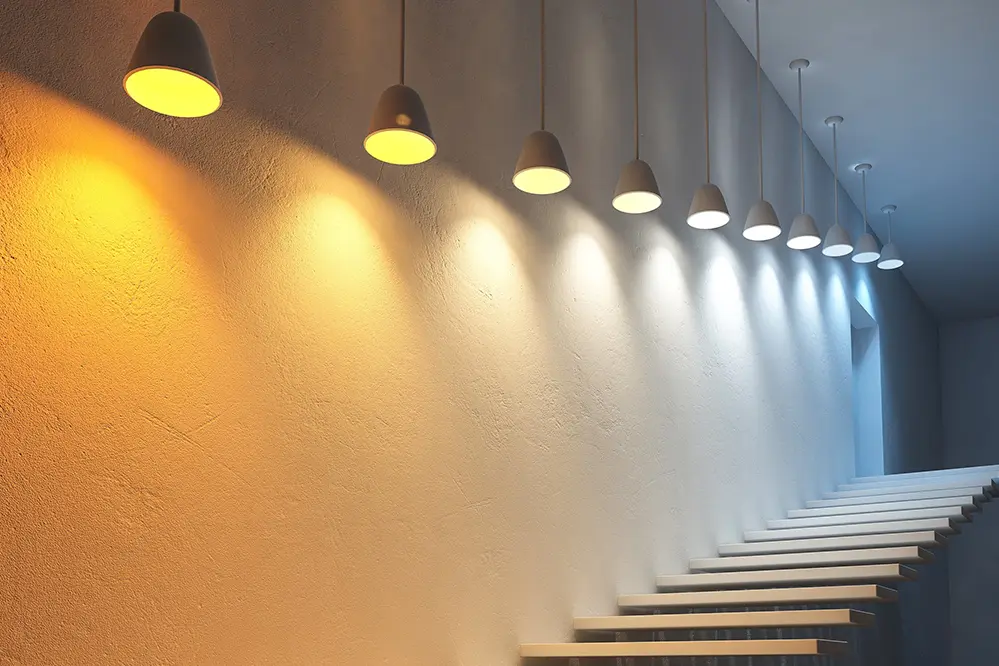
Red LEDs often connote urgency or importance, akin to stopping at a traffic signal's command. They can signify power status, alarms, or simply draw attention for communication purposes.
In contrast, blue LEDs evoke a sense of tranquility and coolness, embodying the trust and calmness of a clear sky. Their application in technology indicates operation or connectivity, and they're frequently used for informational purposes.
The color green typically symbolizes safety, permission, or progress. It's a reassuring prompt conveying 'go ahead' significance in various electronic devices and instrumentation.
Cool white LEDs emit a bright and crisp light that resembles natural daylight. They are often used in task lighting and commercial settings to create a clean and modern atmosphere.
Warm white LEDs produce a soft and cozy light that is similar to the warm glow of traditional incandescent bulbs. They are commonly used in residential spaces to create a comfortable and inviting ambiance.
Soft white LEDs offer a gentle and diffused light that is perfect for creating a relaxed and soothing environment. They are commonly used in bedrooms, living rooms, and other areas where a cozy and calming atmosphere is desired.
Daylight white LEDs mimic the natural light of a sunny day, providing a bright and energizing illumination. They are often used in offices, retail spaces, and other areas where a high level of visibility is required.
Emotional Responses to Colors
Colors, including those from LED lights, stir varied emotions—red may inspire intensity, while blue can evoke serenity. Understanding these responses is crucial for effective lighting design.
LED lights, with their capacity to emit a myriad of colors, can trigger reactions. A yellow hue might impart warmth and comfort, invoking the sun's cheerful embrace.
Blue light has been found to suppress melatonin, potentially affecting sleep patterns.
Designers leverage these emotional cues: a carefully chosen LED color can accentuate ambiance, influence mood, or signal specific information. The interplay of hues creates a subtext in lighting, guiding human response on a subconscious level.
Color Symbolism in Different Cultures
The interpretation of colors varies dramatically across different societies and cultures. In the West, white is often associated with purity and weddings, whereas in some Eastern cultures, it signifies mourning and loss.
In China, red is celebrated as a color of luck, happiness, and prosperity, frequently adorning festive decorations, whereas in South Africa, red can be a color of mourning, representing blood and violence.
Conversely, while blue might be seen as calm and stable in Western cultures, it can sometimes symbolize immortality and divinity in Middle Eastern regions, underpinning its varied perceptions.
The impact of color is also historically contingent; purple, once a color of nobility and royalty due to its rarity, has shifted in meaning with the democratization of its availability through modern dyes.
Understanding these cultural nuances is imperative for lighting professionals, ensuring that LED installations respect and reflect the values and traditions of their context.
Practical Applications of LED Colors
LED lighting offers unparalleled versatility, allowing precise control over ambiance in architectural designs, creating moods through thoughtful color choices. Such control benefits hospitals, enhancing environments for patient well-being.
Dynamic LED systems introduce flexibility in workspace lighting, potentially boosting productivity and employee mood with tailored color temperatures.
Effective LED color utilization in urban planning fosters safer roadways. Amber streetlights, for instance, preserve night-time visibility while minimizing light pollution, protecting local wildlife and reducing glare for drivers.
Museum curators extensively leverage LED lighting to preserve and display artwork. Controllable spectral outputs ensure delicate artifacts are illuminated without harmful ultraviolet radiation, which can deteriorate precious works over time. In modern retail settings, lighting strategies employing "cool" to "warm" LEDs enhance customer engagement and highlight merchandise.
The Science Behind Monochromatic LEDs
Monochromatic LEDs emit light predominantly at one wavelength, a single hue of color. This is achieved through the use of specific semiconducting materials that define the color of the emitted light. For instance, indium gallium nitride (InGaN) is typically used for blue and green LEDs, while aluminum indium gallium phosphide (AlInGaP) is used for red and yellow LEDs. The precise engineering of these materials at the nanoscopic level allows for the production of LEDs that emit light with exceptional color purity and consistency, thereby making them ideal for applications that require a specific color of light without the need for color filters.
Understanding Wavelength and Color
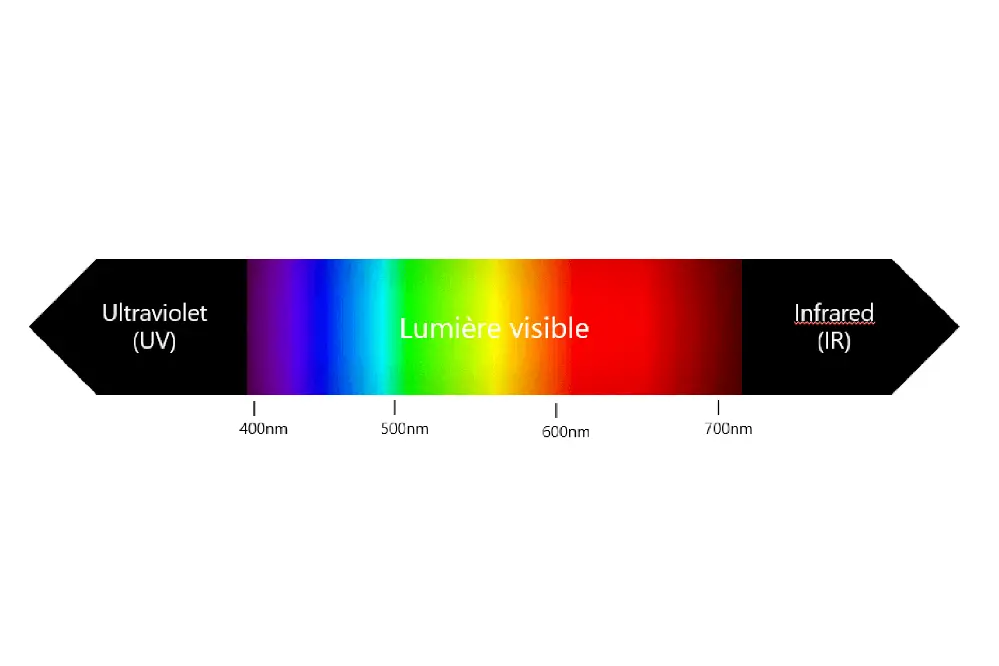
The perception of color in LED lights is a consequence of the emitted light's wavelength. Long wavelengths correspond to warmer colors like red, while shorter wavelengths are associated with cooler colors like blue.
- Red typically ranges from 620 to 750 nm
- Orange spans approximately 590 to 620 nm
- Yellow is found between 570 to 590 nm
- Green covers from 495 to 570 nm
- Blue stretches from 450 to 495 nm
- Violet resides in the 380 to 450 nm spectrum
Monochromatic LED light sources are engineered to emit a narrow spectrum, focusing on a singular wavelength.
Precise control over this spectral emission is pivotal, allowing for LEDs to produce virtually any color within the visible spectrum by altering the dominant wavelength of light.
Understanding Color Temperature and Color
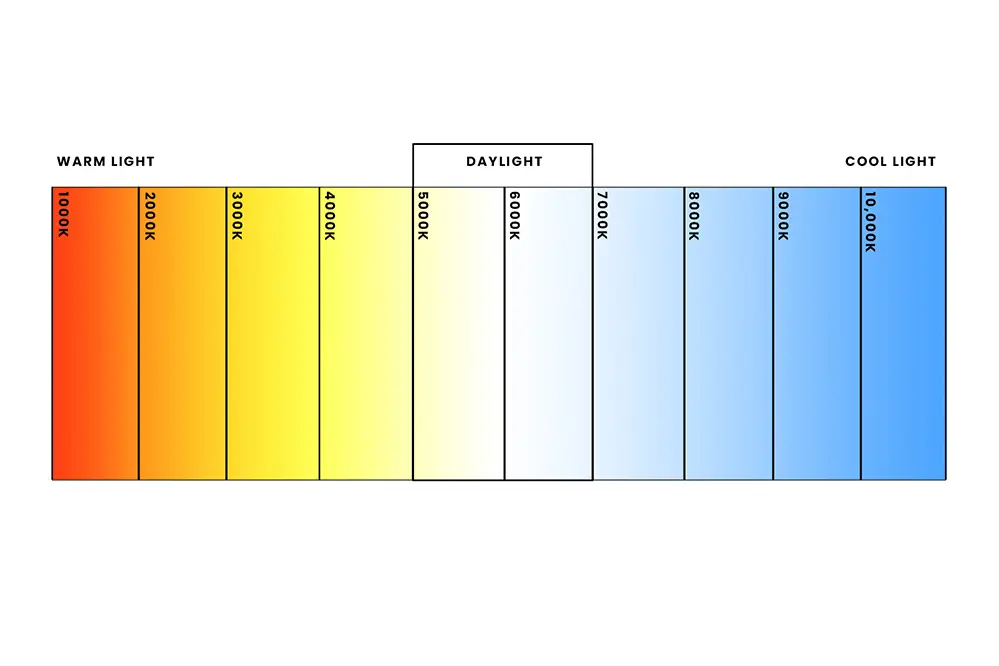
Color temperature and color play a crucial role in determining the mood and functionality of lighting. Just like understanding wavelength and color, comprehending color temperature is essential for choosing the right LED light for your needs.
Cool white LEDs have a higher color temperature, typically ranging from 5000K to 6500K. This color temperature gives off a bright and vibrant light, similar to daylight. It is often used in spaces where clarity and visibility are important, such as offices, hospitals, and retail stores.
Warm white LEDs have a lower color temperature, usually ranging from 2700K to 3500K. This color temperature produces a soft and cozy light, similar to the warm glow of traditional incandescent bulbs. It is commonly used in residential settings, restaurants, and hospitality environments to create a comfortable and inviting atmosphere.
Soft white LEDs have a color temperature that falls between cool white and warm white, typically ranging from 3000K to 4000K. This color temperature offers a gentle and diffused light, perfect for creating a relaxed and soothing ambiance. It is often used in bedrooms, living rooms, and other areas where a cozy and calming atmosphere is desired.
Daylight white LEDs have a color temperature that closely resembles natural daylight, typically ranging from 5000K to 6500K. This color temperature provides a bright and energizing illumination, similar to the light you would experience on a sunny day. It is commonly used in offices, art studios, and other spaces where accurate color rendering and high visibility are essential.
Understanding color temperature and color can help you make informed decisions when selecting LED lights for different applications, ensuring that you achieve the desired atmosphere and functionality in your space.
Understanding Chromaticity, Efficiency, Lumens, and Luminosity
When it comes to LED lighting, there are several important factors to consider beyond just color temperature. Let's explore chromaticity, efficiency, lumens, and luminosity to gain a deeper understanding of LED light characteristics.
Chromaticity refers to the quality of color emitted by an LED light. It is determined by the combination of hue and saturation. LED lights with accurate chromaticity produce colors that are true to their intended appearance, ensuring vibrant and lifelike illumination.
Efficiency is a measure of how effectively an LED light converts electrical energy into visible light. LED lights are known for their high efficiency, as they consume less energy compared to traditional lighting technologies. This not only helps reduce energy costs but also contributes to a more sustainable and environmentally friendly lighting solution.
Lumens are a unit of measurement that quantifies the total amount of visible light emitted by an LED light source. The higher the lumen output, the brighter the light. When choosing LED lights, considering the desired level of brightness is crucial to ensure optimal visibility and functionality in a given space.
Luminosity refers to the perceived brightness of an LED light. It takes into account not only the lumen output but also the sensitivity of the human eye to different wavelengths of light. LED lights with higher luminosity appear brighter and more visually appealing, enhancing the overall lighting experience.
Understanding chromaticity, efficiency, lumens, and luminosity can help you make informed decisions when selecting LED lights for various applications. By considering these factors, you can ensure that your lighting choices align with your desired aesthetics, energy efficiency goals, and lighting requirements.
Significance of Pure Color Emission
The emission of pure color from LED lights is paramount in applications requiring high fidelity and precision in color representation.
- Color Rendering: Pure color emission is essential for accurate color rendering, where the true colors of objects must be discerned without distortion.
- Optical Communication: In optical fiber communications, pure colors facilitate high-capacity data transmission without signal interference.
- Scientific Applications: Precise monochromatic light aids in various scientific experiments, such as spectrophotometry, where specific wavelengths are necessary.
- Health & Safety: Certain colors are used to create environments conducive to health and well-being or to communicate safety information effectively.
- Cultural Significance: Pure colors carry cultural and emotional significance, necessitating their faithful reproduction in lighting for ceremonies and festivals.By harnessing monochromatic LEDs, lighting designers can deliver unparalleled color consistency that stands the test of subjective perception and technical scrutiny.
In conclusion, the significance of pure color emission in LEDs cannot be understated, providing critical advantages in both aesthetic and functional capacities.
Mechanism of Multicolor LED Functionality
LEDs achieve multicolor outputs through different material compositions that emit specific wavelengths of light, expanding designers' color palettes. They incorporate various semiconductor materials to span a broader color spectrum, enabling the LED to efficiently produce colors across the visible spectrum without the need for filters or external color mixing applications.
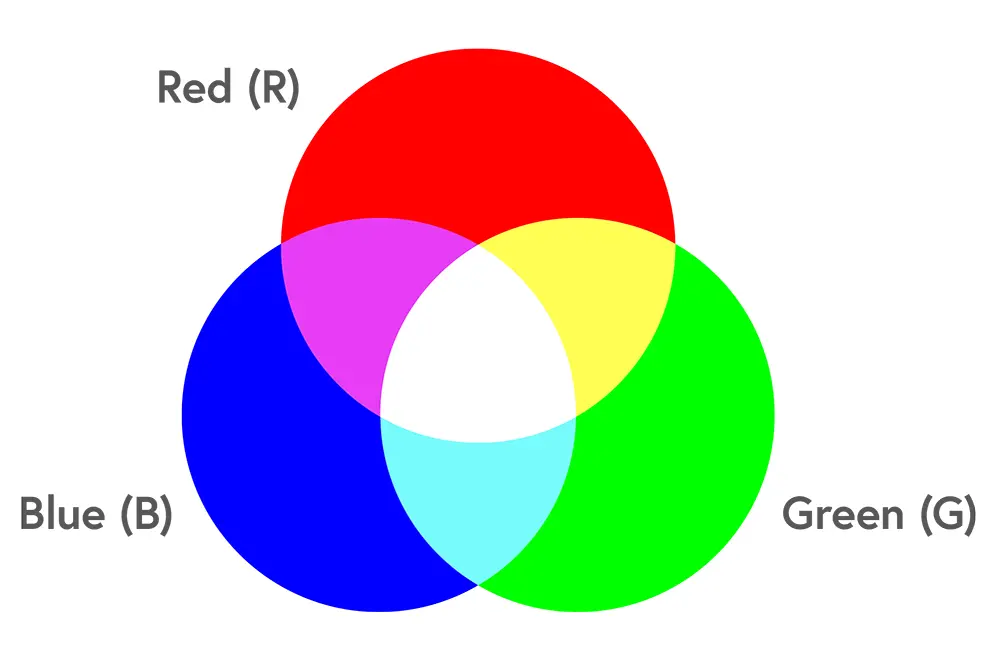
In multicolor LEDs, RGB diodes combine red, green, and blue light in varying intensities, which can be controlled by pulse-width modulation (PWM). This technique adjusts the brightness of each color diode by varying the signal's duty cycle. By rapidly turning the LEDs on and off at different frequencies, the naked eye perceives a seamless blend of colors resulting from this additive color mixing process.
The term "RGB" signifies the fundamental trichromatic principle of color creation in LED technology, leading to vibrant color-changing possibilities. By manipulating the PWM signals, virtually any color can be achieved, giving users tremendous control over the ambiance and functionality of their lighting installations.
RGB LEDs Explained
RGB LEDs harness the additive color mixing model to produce a wide range of colors.
- Red, Green, and Blue LED chips are combined in a single unit.
- Mixing these primary colors at different intensities creates a spectrum of hues.
- Controlled via methods such as pulse-width modulation for precise color blending.
By tuning the relative brightness of each chip, endless color nuances emerge.
Seamless color transitions are achieved through rapid on-and-off switching, imperceptible to the eye.
Advanced Color-Mixing Technologies
Advanced LED color-mixing technologies leverage the precision of digital control systems. These systems facilitate the intricate adjustment of LED emissions, resulting in a refined color palette.
Incorporating algorithms with high-resolution pulse-width modulation (PWM), such technologies allow for a broader and more precise control over color mixing. This, in turn, vastly expands the chromatic boundaries achievable with RGB LEDs.
Beyond RGB, technologies like RGBA or RGBW introduce additional LED chips—Amber or White. By integrating these chips, LEDs can produce warmer tones, cooler whites, and enhanced pastel shades with greater color fidelity.
The inclusion of tunable white light in the RGBW spectrum revolutionizes the way we perceive LED colors. It provides dynamic temperature control, enabling a more natural and adaptable lighting environment.
State-of-the-art color mixing solutions also address challenges such as color shadowing and inconsistent beam angles. They ensure uniform color diffusion across various surfaces and distances.
Manipulating LED Colors at Will
LED lighting technology thrives on the capacity for precise, user-defined color selection and manipulation. Through methods such as diode mixing and software interfaces, one may curate an ambiance tailored to specific requirements or preferences.
At the heart of this adaptability lies the advanced technique of dynamic color tuning, which incorporates sophisticated electronic controls. This prowess permits the simultaneous manipulation of multiple LED sources, orchestrating a spectrum that spans from monochromatic to complex hues.
By expertly employing PWM and color control algorithms, lighting professionals can evoke the desired mood or aesthetic effect. Thus, "painting with light" becomes a tangible reality within the grasp of designers and end-users alike.
Step-by-Step Color Change Instructions
To begin altering an LED's color, ensure the lighting system is powered and properly connected to its control interface.
Next, select the desired color via the control interface—this may be a remote control, a smartphone app, or a wall-mounted keypad. Depending on the system's sophistication, you can choose a predefined color, precisely adjust color values, or even create custom scenes that cyclically change the LED's color output.
Continuing, activate the color change using the selected method of control. For LEDs utilizing RGB (Red, Green, Blue) color mixing, modifying the intensity of each color will yield different hues. This is often achieved through sliders or dials in the user interface, which directly affect the LED's emitted color spectrum.
Finally, to ensure consistency across various LEDs, precisely calibrate each unit. This often entails adjusting the brightness levels to match across devices, verifying they produce identical colors when selected. For installations involving multiple fixtures, synchronization protocols ensure a cohesive and harmonious display, essential for maintaining the aesthetic integrity of the lighting design.
Controlling LEDs with Technology
In the realm of lighting, precise manipulation of LEDs is indispensable. Seamless changing of hues requires a sophisticated control mechanism that orchestrates the color transitions with accuracy.
Advanced LED systems integrate microcontroller-based modules that allow for an array of color outputs. By altering the pulse-width modulation (PWM), each color-diode's intensity can be fine-tuned, enabling the recreation of a wide spectrum of colors. This electronic system determines the quality and variety of the achievable shades and patterns.
Moreover, smart lighting technologies employ wireless connectivity, allowing users to command their lighting schemes from divergent locations. With such innovation, settings can be adjusted in real-time, facilitating dynamic changes that reflect the desired mood or atmosphere.
As technology advances, we see the incorporation of machine learning and algorithms into LED control systems. These intelligent programs can learn user preferences, automate color changes based on time of day or external stimuli, and optimize energy use. Complex algorithms can even predict system maintenance needs and adaptively modulate light output, further enhancing the user experience through technological sophistication.
FAQs
What is LED color shift and why does it happen over time?
LED color shift is the gradual change in color output as LEDs age. It occurs primarily due to phosphor degradation—the coating that converts blue LED light into other colors breaks down when exposed to heat and UV radiation over time. High temperatures accelerate this process significantly. Quality LEDs with proper heat management maintain color consistency for 50,000+ hours, while lower-quality products may show noticeable shifts within just a few thousand hours. Other contributing factors include inadequate thermal design, excessive operating current, and environmental conditions like humidity.How can I prevent color shift in my LED lighting installation?
Prevention focuses on three key areas: quality selection, thermal management, and batch consistency. Choose LEDs from reputable manufacturers with LM-80 test data at 105°C for 10,000+ hours. Ensure fixtures have adequate heat sinks and ventilation—avoid overdriving LEDs beyond rated specifications. For commercial installations, purchase all fixtures from the same manufacturing batch and maintain detailed batch records for future replacements. Specify products with chromaticity stability ratings of 0.003 Δu'v' or better for critical applications like retail, museums, or hospitality where color consistency matters most.Why do my RGB LED strips show wrong colors or inconsistent colors?
Three main causes: First, loose or misaligned 4-pin connectors disrupt color signals—if red fails, the strip appears blue-green; if blue fails, it looks reddish. Second, voltage drop on long runs causes the "Green End Phenomenon" where distant sections appear yellow-green because blue LEDs need higher voltage than red and green. Third, controller malfunctions or incorrect settings. Solutions: inspect and secure all connections, use 24V systems instead of 12V for longer runs, inject power every 5-10 meters, and reset or replace faulty controllers.What's the difference between color shift and color inconsistency?
Color shift is gradual color change over time due to aging—irreversible and requires replacement. A warm white fixture slowly drifts toward yellow over months or years. Color inconsistency is immediate variation upon installation—one fixture looks different from another, or strip sections show different colors. This is usually fixable through troubleshooting connections, addressing voltage drop, or ensuring fixtures come from the same batch. Key distinction: shift = time-based aging (permanent), inconsistency = installation issue (often fixable).How do I fix LED strips showing only one or two colors?
When RGB strips fail to show all colors, test each primary color individually to identify which channel is affected. Inspect 4-pin connectors—open the boxes and verify copper pads align with metal pins. Check color symptoms: purple/pink indicates green failure, yellowish indicates blue failure, aqua indicates red failure. If one color is completely missing along the entire strip, the issue is in wiring or controller, not LEDs. Connect power supply directly to the strip, bypassing extensions to isolate the problem. Secure loose connections or replace faulty connectors.Can I mix LED products from different manufacturers or batches?
Not recommended for visible installations where color uniformity matters. Products with identical specifications (e.g., 3000K) can appear noticeably different due to manufacturing tolerances (SDCM steps). Premium products have 3-step variations; lower-quality may have 5-7 steps that are clearly visible. Additionally, different batches age at different rates—products matching today may show color differences after six months. Always order all fixtures from a single batch, keep detailed batch records, and order 10-15% extra as spares for critical commercial projects.What color temperature should I choose for commercial applications?
Retail: 3000-3500K (warm white) for inviting atmosphere, 4000K for product detail. Offices: 4000-5000K enhances alertness and productivity. Hospitality: 2700-3000K creates cozy, relaxing ambiance. Healthcare: 4000-5000K in exam rooms for accuracy, 3000-3500K in patient rooms for comfort. Museums: 3000-4000K with CRI 90+ for accurate color rendering without UV damage. Warehouses: 5000-5700K (daylight) for maximum visibility. Always specify CRI 90+ for premium applications where color accuracy matters.How does heat affect LED color performance?
Heat is the primary enemy of LED color stability. Elevated temperatures accelerate phosphor degradation, causing permanent color shift. Every 10°C temperature rise increases wavelength by 1 nanometer, shifting color output. To manage heat: select fixtures with quality aluminum heat sinks, ensure proper ventilation, don't overdrive LEDs beyond rated current, and maintain ambient temperatures below 50°C. For high-powered applications, use fixtures with advanced thermal management systems. Proper thermal control prevents color shift and extends lifespan from 50,000 to 100,000+ hours.What is the Green End Phenomenon in LED strips?
This common problem occurs when the far end of long RGB strip runs appears dim and yellow-green. It's caused by voltage drop—as current travels through copper conductors, resistance decreases voltage. Blue LEDs require higher voltage than red and green, so they fail first, leaving only red and green light (which appears yellow-green). Prevention: use 24V systems instead of 12V, inject power every 5 meters (12V) or 10 meters (24V), use thicker wire (14-16 AWG), and don't exceed rated strip capacity.How can I tell if my LED color problem is fixable or needs replacement?
Fixable immediate issues: wrong colors on installation (check connections), color differences between strip sections (voltage drop), controller errors (reset/reprogram), one missing color channel (fix wiring). Permanent issues requiring replacement: gradual color drift over months/years (phosphor degradation), physical chip damage with visible discoloration, yellow/blue tints worsening over time, burned sections with circuit board damage, fixtures beyond 60,000+ hours. Diagnose by testing primary colors individually, checking voltage with multimeter, inspecting connections, and comparing against known good fixtures.Conclusion
LED technology showcases an extensive palette of colors, each carrying a unique ambiance and functionality within its spectrum. As we delve into the intricacies of these colors, their meanings become more apparent, and their applications more specialized.
LED lights are not intrinsically monochromatic; rather, they reach chromatic diversity through controlled adjustments. Interchanging colors is seamlessly actualized by modulating the LED’s properties.
The process of altering LED colors rests on sophisticated electronic principles, where diode combinations and intensity regulations pave the way for a vast array of shades. This flexibility is crucial in settings that demand ambiance customization, like entertainment venues, therapeutic environments, and residential spaces.
As we embrace the future, the color-changing capability of LEDs stands at the cusp of a transformative leap with the integration of smart technologies. Not only does this enable a user-centric approach to lighting, but it also heralds a new era where lighting systems autonomously adapt, conserve energy, and enhance our daily lives. It's a testament to the boundless potential inherent in this remarkably adaptable form of illumination.